FOR PHYSICIANS
Minimally invasive, image-guided therapies play an important role in the multidisciplinary management of selected patients with uterine fibroids and benign prostatic hyperplasia (BPH).
Our goal is to complement existing care, provide thoughtful evaluation, and ensure patients are directed toward the most appropriate treatment pathway — surgical, medical, or minimally invasive — based on individual factors.
Our Clinical Philosophy
We believe optimal patient care is achieved through:
-
Careful patient selection
-
Clear communication with referring physicians
-
Evidence-based decision-making
-
Transparency regarding indications, limitations, and outcomes
Not every patient is a candidate for minimally invasive treatment. When patients are not appropriate, they are returned to their referring physician with recommendations for ongoing management.
Conditions Commonly Evaluated
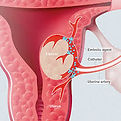
Uterine Fibroids
We evaluate patients with symptomatic fibroids who are:
-
Seeking uterine-sparing options
-
Not ideal surgical candidates
-
Interested in alternatives after medical therapy
Evaluation includes imaging review (typically MRI when appropriate), symptom assessment, and discussion of risks, benefits, and alternatives.
Benign Prostatic Hyperplasia (BPH)
Patients with BPH are evaluated for:
-
Severity of lower urinary tract symptoms
-
Prostate anatomy and size
-
Prior medical or procedural therapies
-
Patient goals and comorbidities
We emphasize that prostate artery embolization (PAE) is not appropriate for all patients, and careful selection is essential.
Evidence-Based Approach
Minimally invasive embolization therapies are supported by a growing body of peer-reviewed literature demonstrating:
-
Symptom improvement in appropriately selected patients
-
Low rates of major complications
-
Preservation of surrounding anatomy
-
Compatibility with future medical or surgical options when needed
We rely on current guidelines, institutional protocols, and ongoing outcomes assessment to guide care.
Patient Selection and Triage
We view patient selection as the most important step in care.
Patients are typically not candidates if they have:
-
Contraindicating anatomy on imaging
-
Alternative pathology better managed surgically
-
Symptoms unlikely to improve with embolization
In these cases, patients are referred back promptly with clear documentation and recommendations.
Relationship With Urology and OB/GYN
Our practice is intentionally collaborative.
-
We do not position minimally invasive therapies as replacements for surgical care
-
We do not compete for longitudinal disease management
-
We emphasize shared decision-making and continuity
Patients continue routine care with their urologist or OB/GYN, and we communicate procedural details and follow-up recommendations clearly.
Peri-Procedural Care
Procedures are performed in a hospital-based setting using:
-
Image-guided techniques
-
Established safety protocols
-
Conscious sedation or anesthesia as appropriate
Post-procedure care includes structured follow-up and availability for questions or concerns.
Follow-Up and Communication
We provide:
-
Procedural reports promptly
-
Clear follow-up recommendations
-
Ongoing availability for discussion
We value communication and aim to be accessible and responsive to referring physicians.
When to Consider Referral
Referral may be appropriate for patients who:
-
Have persistent symptoms despite medical therapy
-
Are exploring non-surgical options
-
Are poor surgical candidates
-
Desire a second opinion regarding treatment options
A referral does not obligate treatment and is often used to support patient education and shared decision-making.
Contact and Collaboration
We welcome collegial discussion and collaboration.
Physician-to-Physician Contact
For questions, imaging review, or case discussion:
Call: 805-881-3725
Hablamos español
Outpatient Procedures
Offering a full spectrum of interventional radiology services, providing minimally invasive, image-guided treatments for vascular disease, cancer, pain, and a wide range of other conditions. From outpatient procedures to complex interventions, my goal is to deliver safe, effective care backed by the latest medical evidence and tailored to each patient’s needs.

Prostate Artery Embolization
.jpeg)
Uterine Fibroid Embolization
